
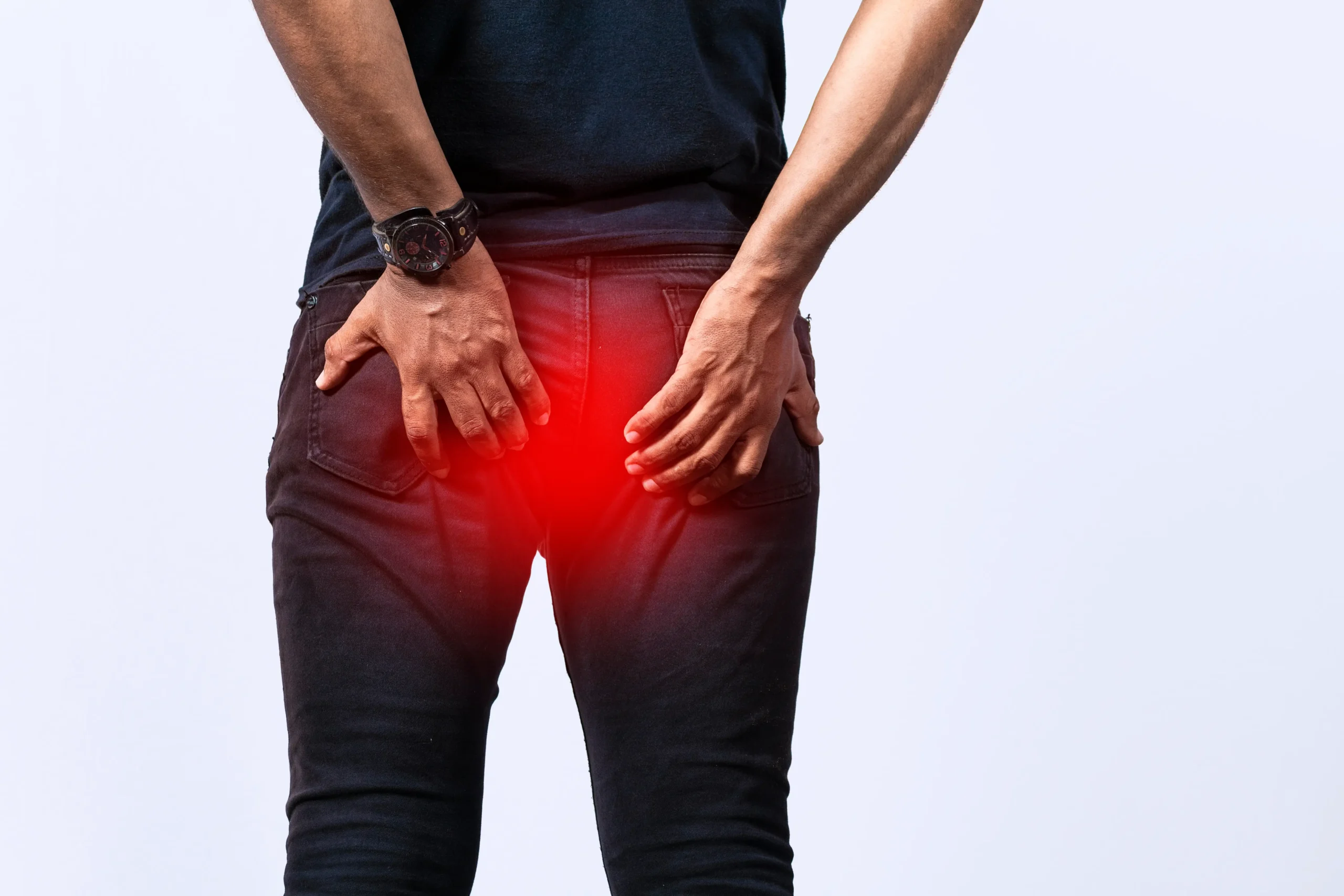
How Poor Bathroom Habits Can Lead to Hemorrhoids
Hemorrhoids, also known as piles, are a very common yet uncomfortable condition affecting people of all ages. While factors like diet and lifestyle play a role, many people are unaware that poor bathroom habits are one of the leading causes of this condition.
Simple daily behaviors like straining too much, sitting for long periods on the toilet, or ignoring the urge to pass stool can gradually lead to hemorrhoids.
In this blog, we’ll explain how your bathroom habits impact your health, the connection with piles, and what you can do to prevent them.
What Are Hemorrhoids?
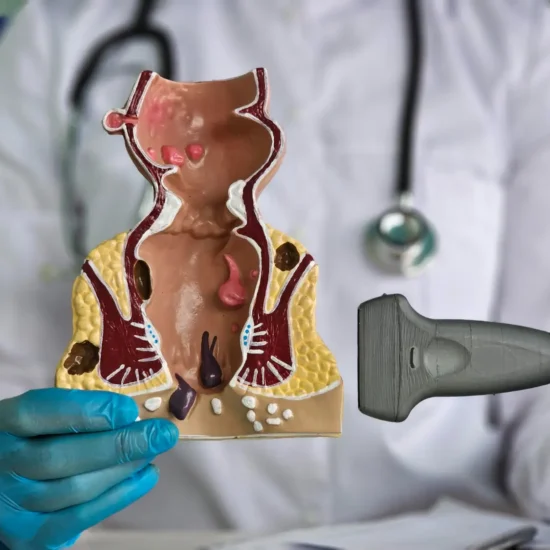
Hemorrhoids are swollen and inflamed veins in the rectum and anus. They develop when there is increased pressure in the lower rectal area.
Types of hemorrhoids:
- Internal hemorrhoids – located inside the rectum
- External hemorrhoids – located under the skin around the anus
They can cause discomfort, pain, itching, and sometimes bleeding during bowel movements.
How Bathroom Habits Affect Hemorrhoids
Your daily bowel routine plays a crucial role in maintaining rectal health. Poor habits can increase pressure on veins, leading to hemorrhoids over time.
- Straining During Bowel Movements
One of the most common causes is excessive straining.
Why it’s harmful:
- Increases pressure in rectal veins
- Causes veins to swell and stretch
- Weakens supporting tissues
Chronic straining is a major trigger for piles.
- Sitting Too Long on the Toilet (hemorrhoids due to sitting)
Many people spend extra time on the toilet often using mobile phones.
Risks include:
- Increased pressure on anal veins
- Reduced blood circulation
- Higher risk of vein swelling
- Ignoring the Urge to Pass Stool
Delaying bowel movements can lead to harder stools.
Effects:
- Increased straining later
- Constipation
- Greater pressure on veins
Ignoring natural urges is a key factor in developing constipation-related hemorrhoids.
- Chronic Constipation
Constipation is one of the biggest contributors to hemorrhoids.
Why it matters:
- Hard stools are difficult to pass
- Requires more force
- Leads to repeated strain
- Frequent Diarrhea
Surprisingly, even diarrhea can contribute to haemorrhoids.
- Irritates the anal region
- Causes inflammation
- Leads to repeated wiping and irritation
- Poor Toilet Posture
The modern sitting toilet position may not be ideal for bowel movements.
- Creates unnatural rectal angle
- Makes passing stool harder
- Increases need for straining
Signs You May Have Hemorrhoids
Recognizing early symptoms can help you take timely action.
Common symptoms:
- Pain during bowel movements
- Bright red bleeding
- Itching or irritation
- Swelling around the anus
- Feeling of incomplete evacuation
If you notice these signs, it may indicate piles.
Complications of Ignoring Hemorrhoids
Untreated hemorrhoids can lead to:
- Severe pain
- Persistent bleeding
- Thrombosed hemorrhoids (blood clots)
- Infection
- Difficulty in daily activities
Early management is essential to avoid complications.
Healthy Bathroom Habits to Prevent Hemorrhoids
The good news is that hemorrhoids caused by poor habits are largely preventable.
- Don’t Strain
- Relax during bowel movements
- Avoid forcing stool
- Limit Toilet Time
- Avoid sitting for more than 5–10 minutes
- Don’t use mobile phones while on the toilet
- Respond to Natural Urges
- Go to the toilet as soon as you feel the urge
- Don’t delay bowel movements
- Improve Your Diet
A fiber-rich diet helps prevent constipation.
Include:
- Fruits and vegetables
- Whole grains
- Plenty of water
- Maintain Proper Posture
Using a small footstool can:
- Improve rectal angle
- Make bowel movements easier
- Stay Active
Regular physical activity:
- Improves digestion
- Prevents constipation
- Reduces pressure on veins
Treatment Options for Hemorrhoids
If symptoms persist, medical treatment may be required.
- Lifestyle and Dietary Changes
- High-fiber diet
- Hydration
- Regular bowel habits
- Medications
Doctors may prescribe:
- Pain relief creams
- Anti-inflammatory medications
- Stool softeners
- Minimally Invasive Procedures
Advanced treatments include:
- Laser treatment for piles
- Rubber band ligation
- Injection therapy
These are quick and effective solutions with minimal downtime.
- Surgical Treatment
In severe cases, surgery may be required to remove hemorrhoids permanently.
When Should You See a Doctor?
Consult a specialist if you experience:
- Persistent bleeding
- Severe pain
- Recurrent hemorrhoids
- No improvement with home remedies
Early diagnosis ensures better and faster recovery.
Expert Care at Samata Hospital
For effective management of hemorrhoids, expert care is essential.
At Samata Hospital, patients receive advanced and personalized treatment for piles and related conditions.
Dr. Ashish Dhadas, an experienced specialist, focuses on:
- Accurate diagnosis
- Minimally invasive treatments
- Patient-friendly care approach
- Long-term prevention strategies
His expertise ensures safe and effective treatment for hemorrhoids.
Why Early Treatment Matters
Ignoring symptoms can lead to worsening of the condition.
Benefits of early treatment:
- Faster relief
- Prevents complications
- Avoids surgery in many cases
Conclusion
Poor bathroom habits are one of the most common yet preventable causes of hemorrhoids. Simple changes like avoiding straining, limiting toilet time, and maintaining a healthy diet can significantly reduce your risk.
If you’re experiencing symptoms, don’t ignore them. Early intervention and expert care can help you manage the condition effectively and improve your quality of life.
Samata Hospital
Address: 2nd Floor, Swara Emerald, Samata Hospital, Dr R.P. Rd, Tilak Nagar, Dombivli East, Thane, Maharashtra 421201
Phone: 094038 90477
Early diagnosis and timely treatment can help ensure your health and peace of mind. If you notice any unusual lump, do not ignore it—seek professional medical advice today.




No Comments
Sorry, the comment form is closed at this time.