
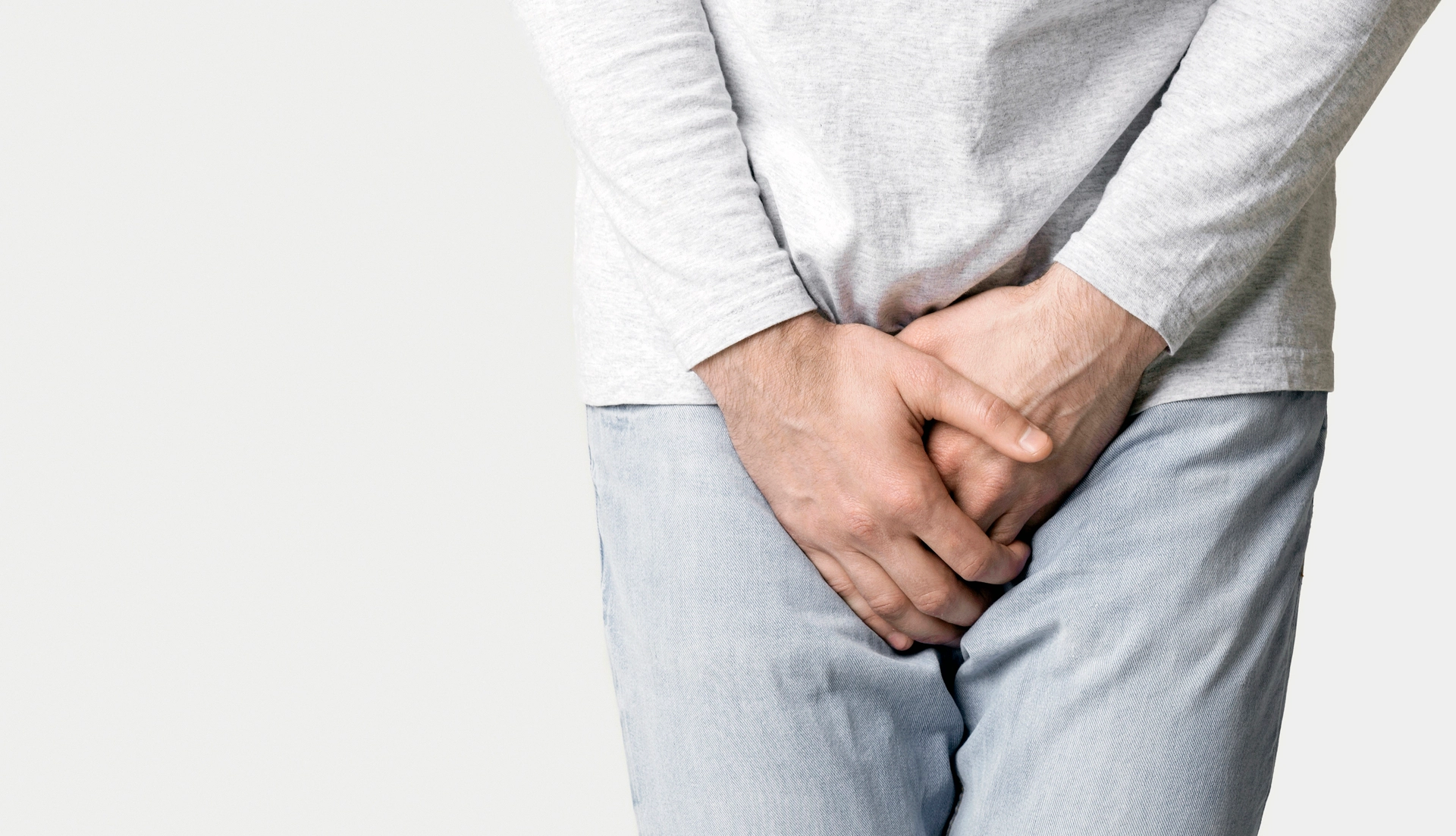
Hard Lump Near Anus: Is It Piles, Abscess, Cyst or Something Else?
Hard Lump Near Anus
Discovering a hard lump near anus can be concerning and embarrassing, leaving many people anxious about their health. If you’ve noticed a hard lump near anus and are unsure about its cause, you’re not alone. This common concern can stem from several different conditions, each requiring specific medical attention.
At Samata Hospital, our experienced colorectal specialist Dr. Ashish Dhadas helps patients understand various anal and rectal conditions. Whether it’s piles, an abscess, a cyst, or something else entirely, this comprehensive guide will help you understand the potential causes of a hard lump near anus and when to seek medical care.
1. Understanding the Causes of Hard Lumps Near Anus
A hard lump near anus can develop for various reasons, and accurate diagnosis is crucial for proper treatment. The anal region is sensitive and prone to several conditions that may present as visible or palpable lumps.
Common Causes of Hard Lumps Near Anus:
- Internal or external piles (hemorrhoids)
- Anal abscess (infected collections of pus)
- Anal cyst (fluid-filled sacs)
- Skin tags (benign growths)
- Anal fissures (tears in the lining)
- Anal warts (caused by HPV)
- Polyps (abnormal tissue growths)
- Tumors (rare but possible)
The key to finding relief is determining which condition is causing the hard lump near anus. This is where professional medical evaluation becomes essential.
2. Piles (Hemorrhoids) – The Most Common Cause
What Are Piles?
Piles, also known as hemorrhoids, are swollen veins in the lower rectum and anus. They are among the most common causes of a hard lump near anus and affect millions of people worldwide.
Types of Piles:
External Piles
External piles appear as hard lumps near anus on the outside of the rectum. Characteristics include:
- Visible lumps near anus
- Pain, especially during bowel movements
- Itching and discomfort
- Bleeding (visible on toilet paper)
- Hard lumps near anus that may thrombose (clot)
Internal Piles
Internal piles develop inside the rectum and may not always be visible. A hard lump near anus from internal piles can cause:
- Painless bleeding during bowel movements
- A feeling of fullness or incomplete evacuation
- Protruding tissue (prolapse)
- Mucus discharge
Symptoms of Piles:
If your hard lump near anus is caused by piles, you might experience:
- Itching and irritation around the anus
- Pain or discomfort, especially during sitting or bowel movements
- Bright red bleeding
- Swelling around the anal area
- A visible or palpable hard lump near anus
Risk Factors for Piles:
- Chronic constipation
- Prolonged diarrhea
- Straining during bowel movements
- Pregnancy
- Sedentary lifestyle
- Low-fiber diet
- Obesity
- Age (more common after 50)
3. Anal Abscess – Painful Infection
What Is an Anal Abscess?
An anal abscess is a localized collection of pus that forms near the anus. This condition differs significantly from piles and requires prompt medical attention. If you notice a hard lump near anus accompanied by severe pain, an abscess might be the cause.
Causes of Anal Abscess:
- Infection of anal glands
- Blocked anal ducts
- Trauma or injury to the anal area
- Inflammatory bowel disease
- Sexually transmitted infections
- Poor hygiene
Symptoms of Anal Abscess:
An anal abscess presenting as a hard lump near anus will typically show:
- Severe, throbbing pain around the anus
- Swelling and redness
- A firm or hard lump near anus
- Fever and chills
- Pus discharge or drainage
- Difficulty sitting or walking
- General malaise
Why Prompt Treatment Matters:
Unlike piles, an anal abscess requires professional medical intervention. Untreated abscesses can:
- Spread infection systemically
- Develop into anal fistulas
- Cause severe complications
- Lead to sepsis in extreme cases
4. Anal Cyst – What You Need to Know
What Is an Anal Cyst?
An anal cyst is a fluid-filled sac that develops in or near the anal area. This condition may present as a hard lump near anus, though the lump itself contains liquid rather than solid tissue.
Types of Anal Cysts:
Epidermoid Cysts
- Most common type
- Develop from skin cells
- Usually painless unless infected
- Appear as a hard lump near anus
Mucous Cysts
- Form from anal gland secretions
- May cause drainage
- Can become infected
- Present as a palpable lump near anus
Pilonidal Cysts
- Located at the base of the tailbone
- Can extend toward the anal area
- Often become infected
- May produce a hard lump near anus
Symptoms of Anal Cysts:
When an anal cyst causes a hard lump near anus, symptoms might include:
- Visible or palpable lump near anus
- Painless swelling (unless infected)
- Drainage or discharge
- Discomfort during sitting
- Itching or irritation
- Pain if cyst ruptures or becomes infected
5. Other Possible Conditions
Anal Warts
Anal warts are caused by human papillomavirus (HPV) and may appear as a hard lump near anus:
- Flesh-colored or darker bumps
- Itching and irritation
- Bleeding with bowel movements
- Require treatment by a specialist
Anal Fissure
While typically a tear rather than a lump, severe anal fissures can create swelling that resembles a hard lump near anus:
- Severe pain during and after bowel movements
- Visible tear in anal tissue
- Bleeding
- Spasm of anal sphincter
Skin Tags
Skin tags are harmless growths that may feel like a hard lump near anus:
- Painless, excess skin
- Can become irritated
- Cosmetic concern for many patients
- Easily removed if desired
Anal Polyps
Anal polyps are abnormal tissue growths that can present as a hard lump near anus:
- Rare compared to other causes
- May be precancerous
- Require professional evaluation
- Often painless
6. When to See a Doctor
Seek Immediate Medical Attention If:
- You develop a hard lump near anus with severe pain
- You experience fever with an anal lump
- There’s significant bleeding or pus discharge
- You have signs of infection (redness, warmth, swelling)
- The lump near anus doesn’t improve in one week
- You have difficulty with basic functions like sitting or bowel movements
Schedule a Doctor’s Appointment If:
- You notice a new hard lump near anus
- Symptoms persist beyond two weeks despite home care
- You have recurrent lumps near anus
- The condition affects your quality of life
- You’re experiencing bleeding without other symptoms
Why Professional Evaluation Matters:
Only a qualified colorectal specialist can accurately diagnose whether your hard lump near anus is caused by piles, an abscess, a cyst, or another condition. Self-diagnosis can lead to improper treatment and delayed care.
7. Diagnosis and Treatment Options
Diagnostic Procedures at Samata Hospital:
Dr. Ashish Dhadhas employs various diagnostic methods to identify the cause of your hard lump near anus:
Physical Examination
- Visual inspection of the anal area
- Digital rectal examination
- Palpation to assess the lump near anus
Anoscopy
- Visual inspection using a scope
- Allows detailed evaluation
- Can identify piles, cysts, and other lesions
- Generally painless
Ultrasound
- Useful for cysts and deeper structures
- Non-invasive imaging
- Helps determine the nature of the lump near anus
MRI
- Advanced imaging for complex cases
- Evaluates abscesses and fistulas
- Provides detailed tissue information
Treatment Options by Condition:
Treatment for Piles:
- Conservative Management: High-fiber diet, increased water intake, stool softeners
- Topical Treatments: Creams and ointments for symptom relief
- Minimally Invasive Procedures: Rubber band ligation, sclerotherapy
- Surgical Intervention: Hemorrhoidectomy for severe cases
Treatment for Anal Abscess:
- Antibiotics: To control infection
- Drainage: Professional drainage of the abscess
- Fistula Prevention: Additional treatment if fistula develops
- Follow-up Care: Ensure complete healing
Treatment for Anal Cyst:
- Observation: If asymptomatic
- Antibiotics: If infected
- Surgical Removal: For persistent or recurrent cysts
- Complete Excision: To prevent recurrence
Why Choose Samata Hospital and Dr. Ashish Dhadas
Our Expertise:
Samata Hospital is renowned for colorectal care, and Dr. Ashish Dhadas brings extensive experience in treating all types of anal and rectal conditions. When you develop a hard lump near anus and need answers, our team provides:
Comprehensive Services:
- Expert Diagnosis: Accurate identification of whether your hard lump near anus is caused by piles, abscess, cyst, or other conditions
- Personalized Treatment: Tailored approaches based on your specific condition
- Minimally Invasive Options: Advanced techniques to minimize discomfort and recovery time
- Compassionate Care: Understanding that anal conditions can be sensitive and embarrassing
- State-of-the-Art Facilities: Modern equipment for accurate diagnosis and treatment
- Follow-up Support: Ongoing care to ensure complete recovery
Dr. Ashish Dhadas’s Approach:
Dr. Dhadas believes in:
- Patient education about anal health
- Evidence-based treatment protocols
- Individualized care plans
- Preventive strategies to avoid recurrence
- Minimal invasiveness when possible
Prevention Tips for Future Issues
Maintain Healthy Bowel Habits:
- Eat a high-fiber diet to prevent constipation
- Drink adequate water (at least 8 glasses daily)
- Respond to the urge to have bowel movements
- Avoid straining or prolonged sitting on the toilet
- Use the bathroom regularly and consistently
Lifestyle Modifications:
- Maintain regular physical activity
- Avoid prolonged sitting
- Use soft toilet paper or wet wipes
- Keep the anal area clean and dry
- Wear breathable, cotton underwear
- Avoid irritants and harsh soaps
Regular Check-ups:
- Schedule annual check-ups for anal health screening
- Discuss any concerns with your healthcare provider
- Seek immediate care for new symptoms
Conclusion
Discovering a hard lump near anus can be worrying, but many conditions causing this symptom are manageable with proper medical attention. Whether your hard lump near anus is caused by piles, an abscess, a cyst, or something else, professional evaluation is essential for accurate diagnosis and effective treatment.
Dr. Ashish Dhadas at Samata Hospital specializes in colorectal conditions and can help you determine the cause of your hard lump near anus and recommend appropriate treatment options. Don’t let embarrassment prevent you from seeking care—your health and comfort are our priority.
Take Action Today:
If you’re experiencing a hard lump near anus or any anal symptoms, contact Samata Hospital to schedule a consultation with Dr. Ashish Dhadas. Early diagnosis and treatment can prevent complications and help you return to normal activities quickly.
Contact Information
2nd Floor, Swara Emerald, Dr R.P. Rd, Tilak Nagar, Dombivli East, Dombivli, Maharashtra 421201
+91 9403890477
Schedule Your Consultation Today – Because your health matters, and expert care is just a call away.
Frequently Asked Questions
Is a hard lump near anus always serious?
Not necessarily. While conditions like piles are benign, an abscess requires treatment. Professional evaluation is needed to determine the cause.
Can I treat a hard lump near anus at home?
For mild piles, home care may help. However, if it persists beyond two weeks or worsens, seek professional care
How long does treatment take?
Treatment duration varies by condition. Piles may respond to conservative treatment in weeks, while an abscess requires immediate intervention.
Will a hard lump near anus return after treatment?
Recurrence depends on the condition and preventive measures. Lifestyle modifications can significantly reduce recurrence rates.
Is the examination embarrassing?
Medical professionals handle these examinations routinely and respectfully. Your comfort and privacy are paramount.




No Comments
Sorry, the comment form is closed at this time.