Understanding Fistula: Causes, Symptoms, and Treatment
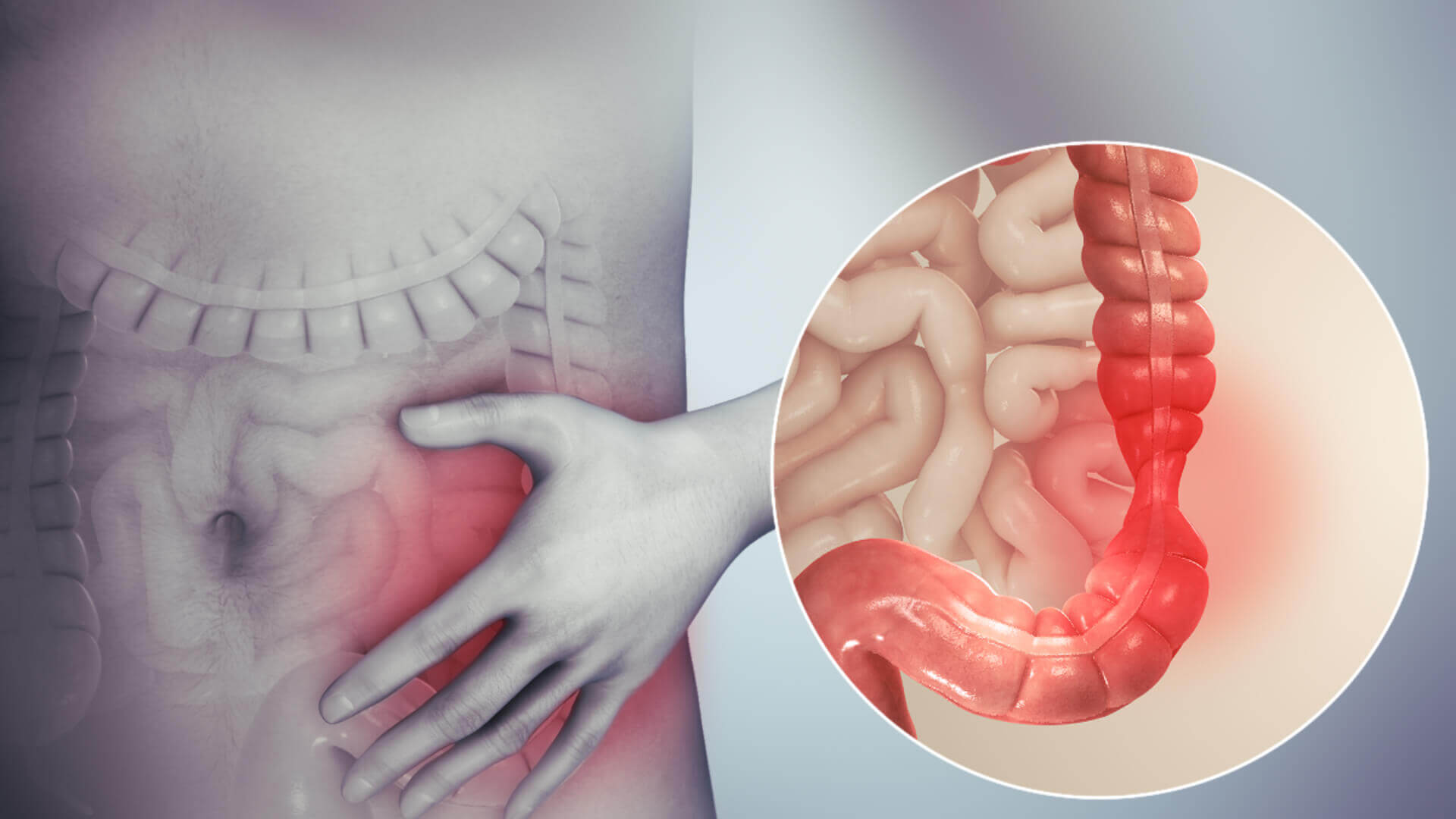
A fistula is an abnormal connection between two organs or vessels. Fistulas can occur in many different parts of the body but are most common in the intestines....
Piles or Haemorrhoids are swollen veins that develop around the anus or inside. Although there are various ways to cure piles and conventional surgeries are still used, laser surgery has now become the popular option for both physicians as well as patients....
Are you suffering from piles and don't know what to do? You're not alone. Piles, also known as haemorrhoids, are a common problem. But there is good news: piles can often be treated without surgery....
The appendix is a tube that is the size of your finger and is found at the attachment point of the large and small intestines is called the appendix. It is located on the lower right side of the abdomen. There is no known function...
Gallbladder and Kidney both can get affected with stones. These may range from few millimeters to even few centimeters in size and can be equally painful. But how can you differentiate between these two?...
Our abdominal organs are covered by protective layers of peritoneum, muscle, connective tissue, and fat in the belly. Each element has a specific location and function....
When an organ pushes through an opening in a tissue or a muscle that holds it in its place, it is called a hernia. One instance would be the intestines may break through the abdominal area....
Haemorrhoids, or piles, as they are most commonly known, are the swollen tissues and veins of the lower rectum and the anus. In today’s times, it is the most common ailment that affects three out of four adults. ...
The appendix is a finger-like pouch located in your abdomen, on the lower right side. Appendicitis is when your appendix is inflamed; it causes a plethora of symptoms which includes pain, nausea, bloating and low-grade fever....
You have eyes, dimples like your father and skin colour, and varicose veins like your mother. Yes, you read it right! Those ugly looking leg veins can run in your family and may give you a tough time by causing various symptoms....